A rare iron-rust-glazed ‘imitation bronze’ censer

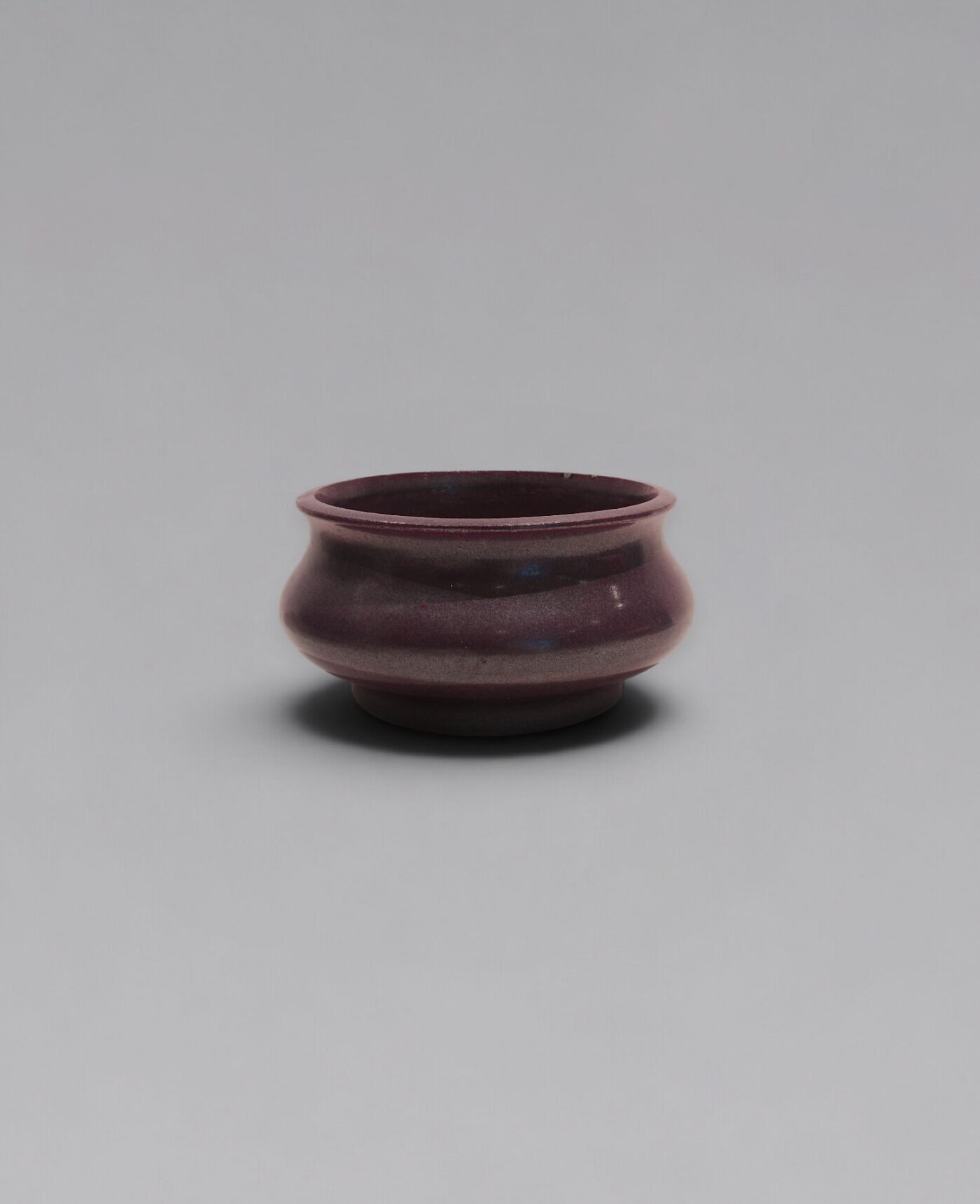
The censer is evenly covered in a rich, deep iron-rust glaze of ‘patinated bronze’ effect. The base is recessed and similarly treated, with the foot ring left unglazed to reveal the porcelain body.

Iron-rust glaze (tiexiu hua you 鐵鏽花釉) was developed during the Yongzheng reign and gained wider currency under the Qianlong emperor. Its principal colourants are iron and manganese, producing a surface that recalls the mottled patina of archaic bronzes. The glaze appears to have been conceived in response to the Court’s interest in antiquity, allowing porcelain forms to evoke earlier metal prototypes. A related ovoid vase in the Victoria and Albert Museum, bearing an impressed Qianlong seal mark (acc. no. C.176-1913), illustrates a closely comparable treatment.
Description

Qing dynasty, Yongzheng/Qianlong period, 18th century

Dimensions: 18.5 cm wide, 9.5 cm high

Provenance:
Christie’s South Kensington
A private European collection

The censer is evenly covered in a rich, deep iron-rust glaze of ‘patinated bronze’ effect. The base is recessed and similarly treated, with the foot ring left unglazed to reveal the porcelain body.

Iron-rust glaze (tiexiu hua you 鐵鏽花釉) was developed during the Yongzheng reign and gained wider currency under the Qianlong emperor. Its principal colourants are iron and manganese, producing a surface that recalls the mottled patina of archaic bronzes. The glaze appears to have been conceived in response to the Court’s interest in antiquity, allowing porcelain forms to evoke earlier metal prototypes. A related ovoid vase in the Victoria and Albert Museum, bearing an impressed Qianlong seal mark (acc. no. C.176-1913), illustrates a closely comparable treatment.
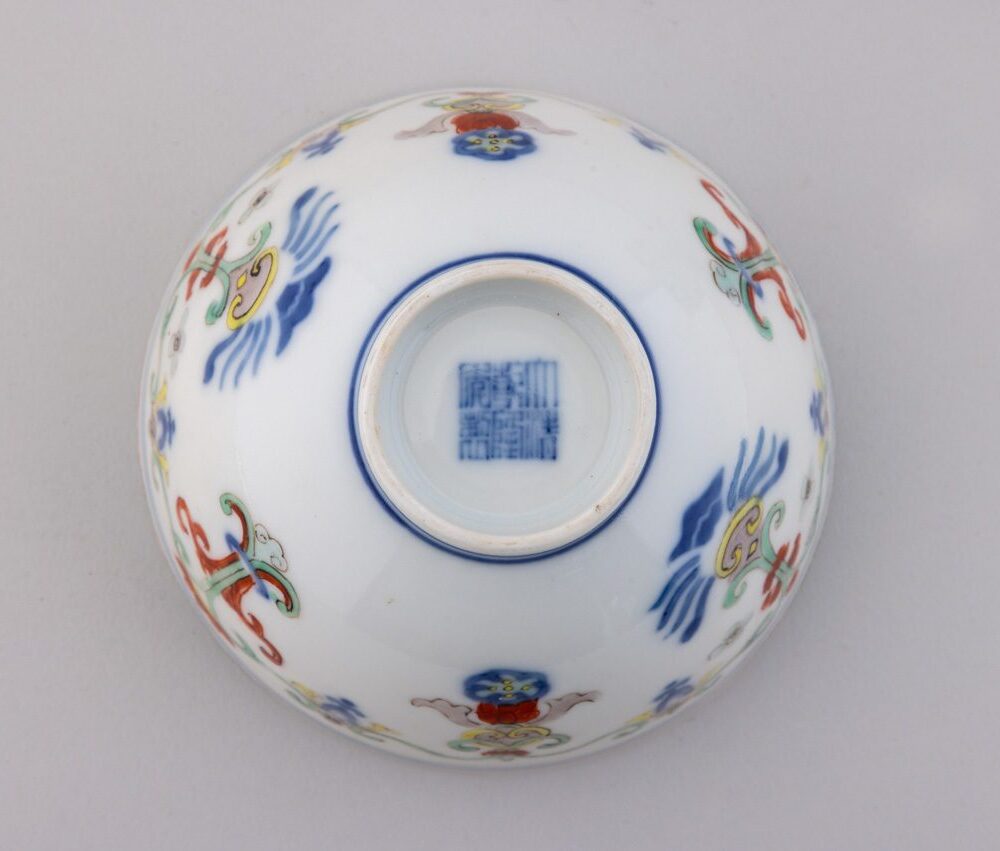
Further comparable examples include a vase of this type, formerly in the Metropolitan Museum of Art, sold at Bonhams, New York, 18 March 2024, lot 37 and a related censer with handles sold at Sotheby’s, New York, 14–26 September 2023, lot 1104.